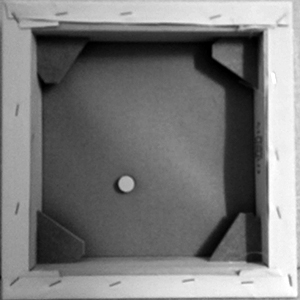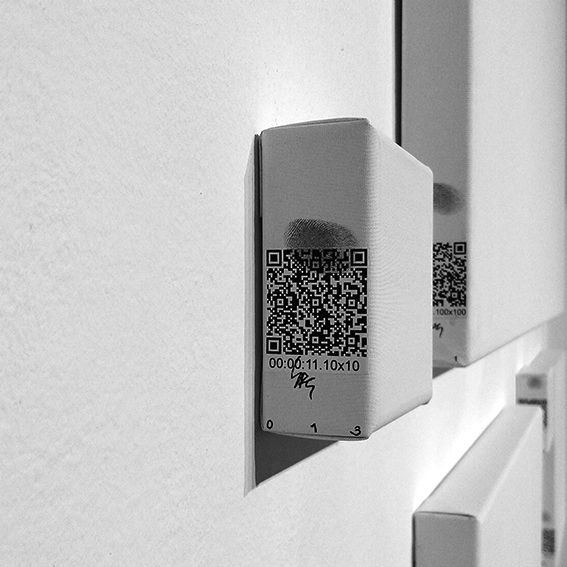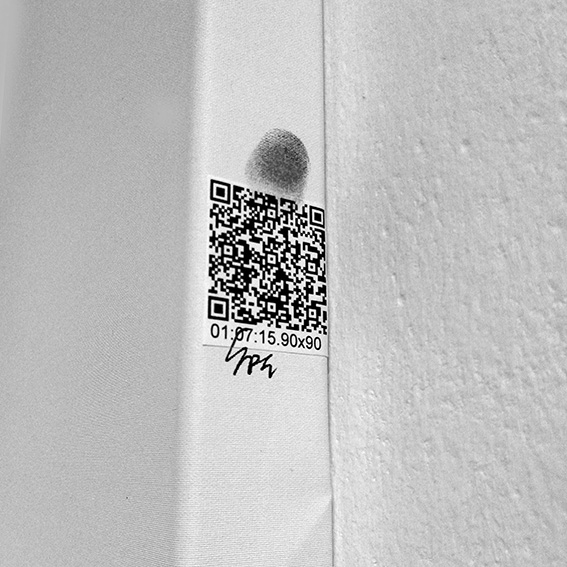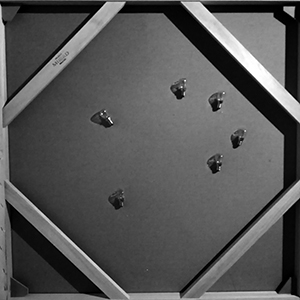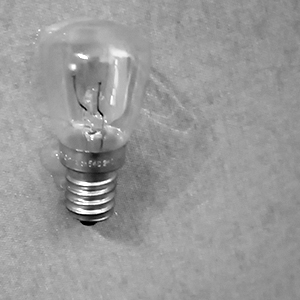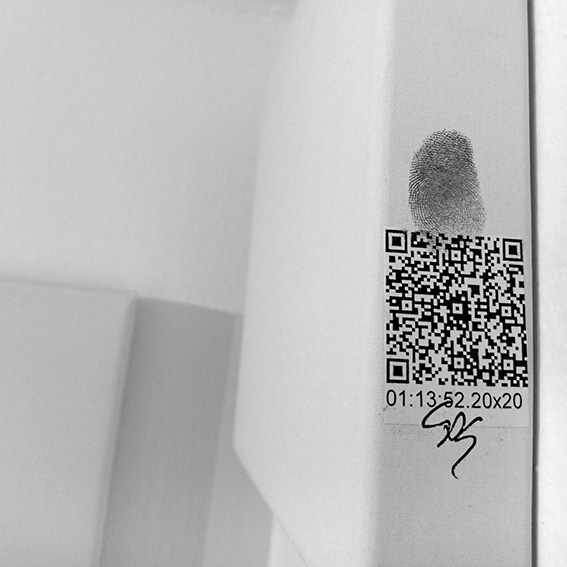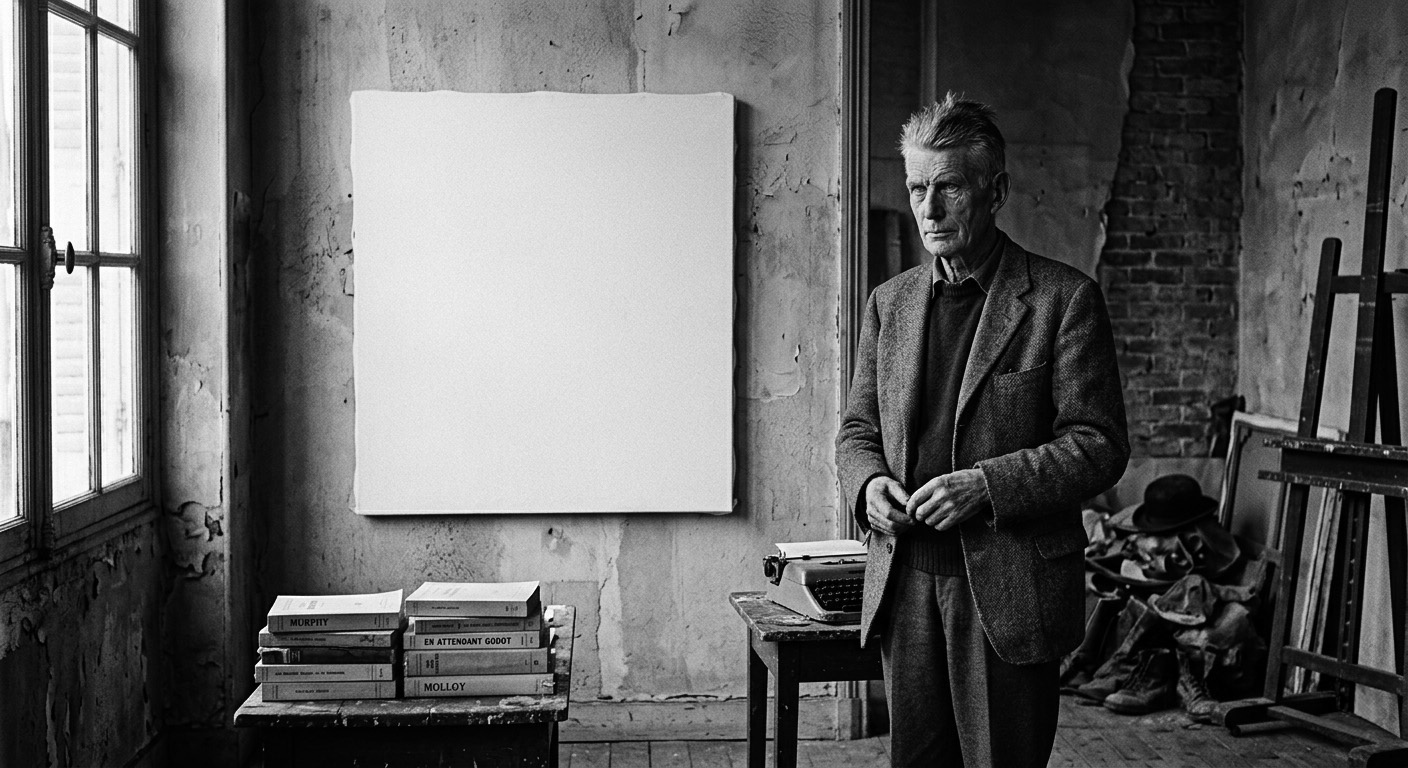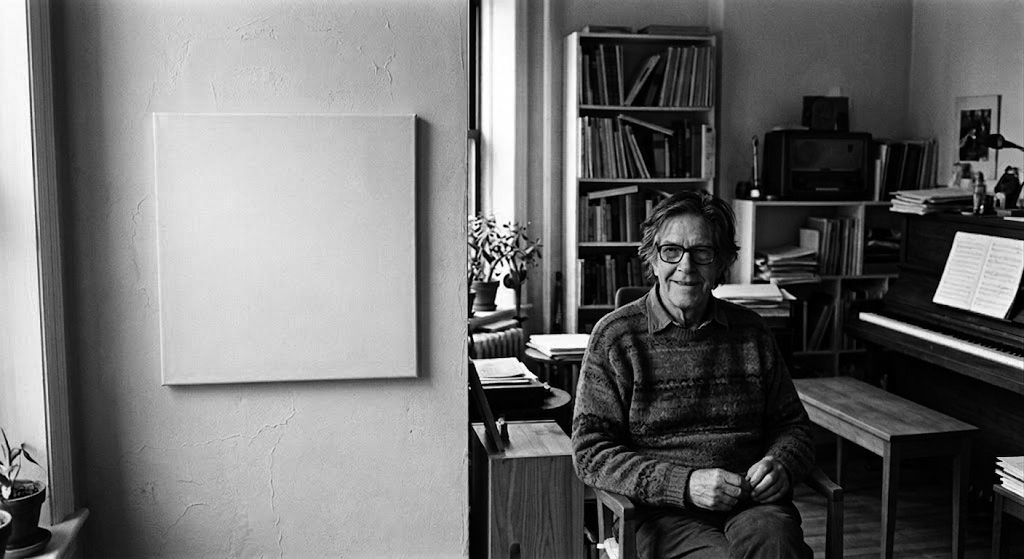
<<FILL THE FULL>>

A TEMPO PERSO, PERDERE TEMPO, ATTEMPARSI
WASTING TIME, LOSING TIME, GETTING OLDER


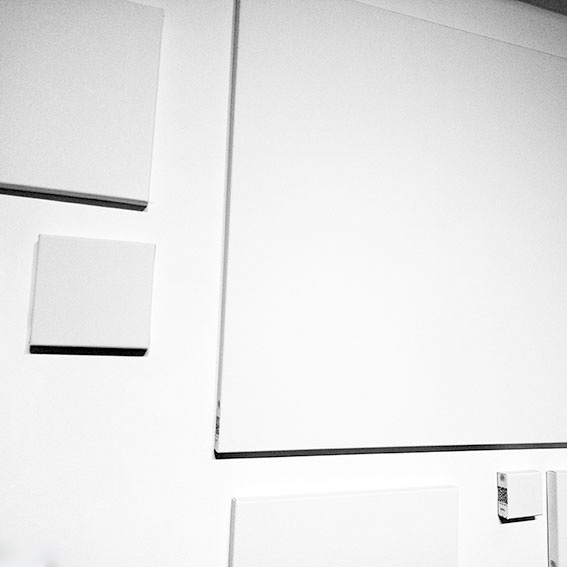
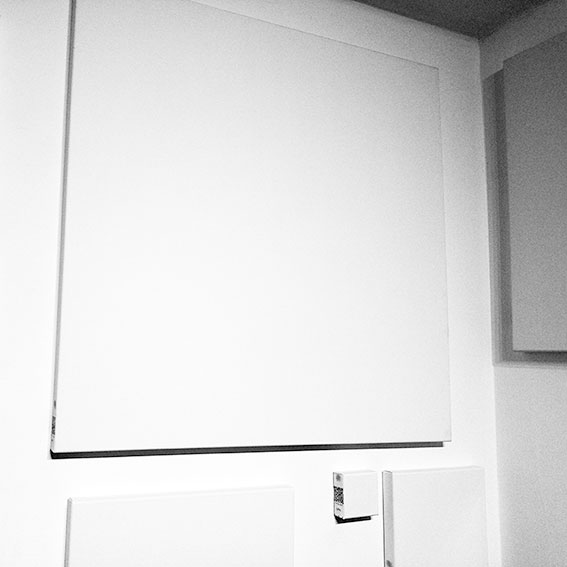
La sembianza d’essere un ASMR può in ogni caso svelare che la riflessione (quanto tempo dobbiamo dedicare al guardare?) è in effetti affrancamento dalla riflessione: se Narciso avesse visto il bianco, il bianco l’avrebbe ignorato.

The semblance of being an ASMR can in any case reveal that reflection (how much time should we dedicate to looking?) is in fact liberation from reflection: if Narcissus had seen white, white would have ignored him.


title <zero-six-two-nine-three-zero> 001



06:29:30.100x100

--------------------------------------------------------------------------------------

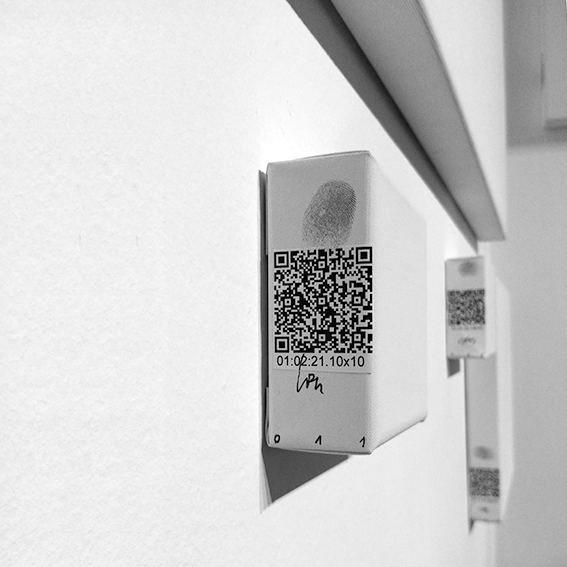
title <zero-one-zero-two-three-two> 002
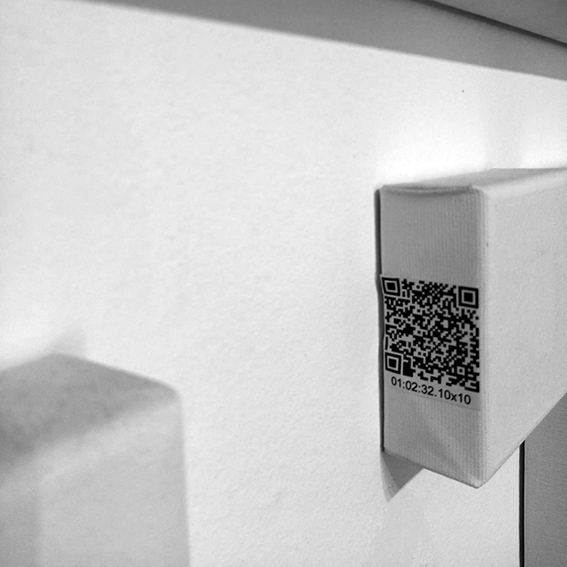


01:02:32.10x10

--------------------------------------------------------------------------------------

title <zero-three-zero-nine-four-one> 003
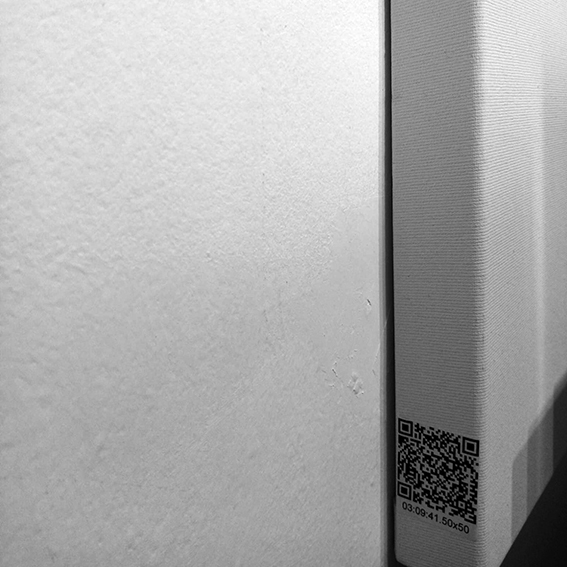


.

03:09:41.50x50

--------------------------------------------------------------------------------------

title <zero-zero-three-one-zero-seven> 004
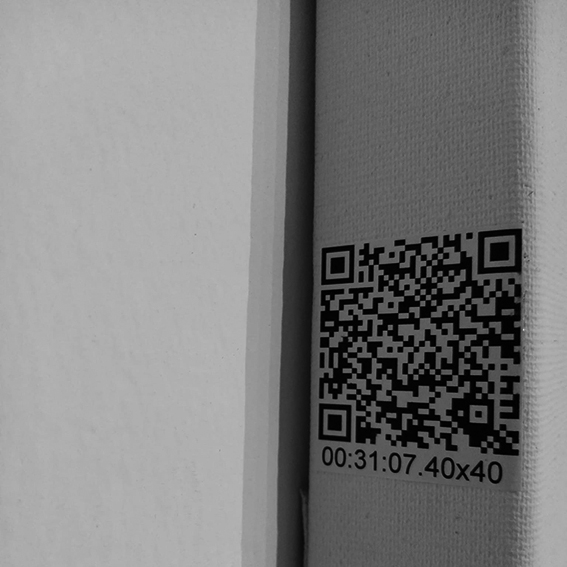


00:31:07.40x40

--------------------------------------------------------------------------------------

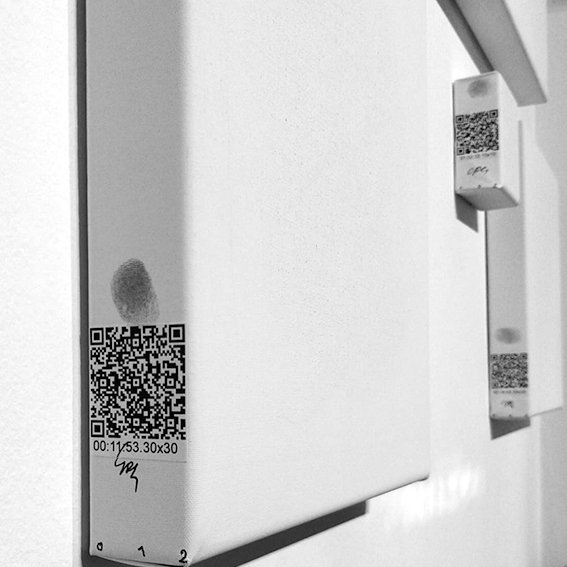
title <zero-zero-one-four-three-zero> 005
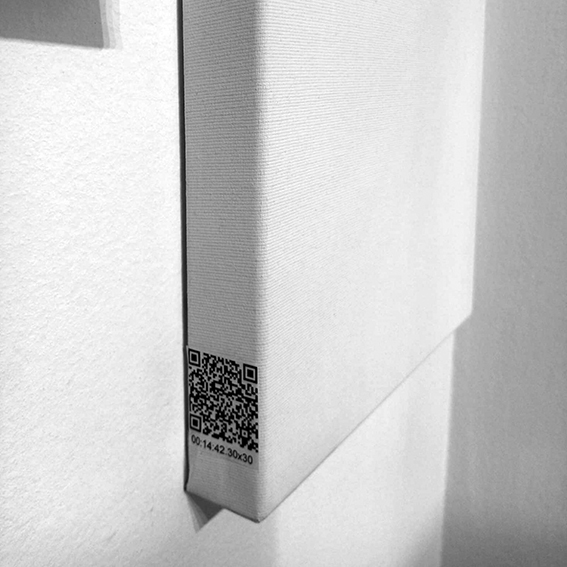


00:14:42.30x30


--------------------------------------------------------------------------------------

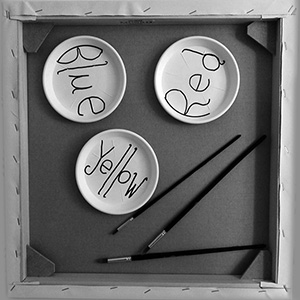
title <zero-one-zero-one-one-six> 006
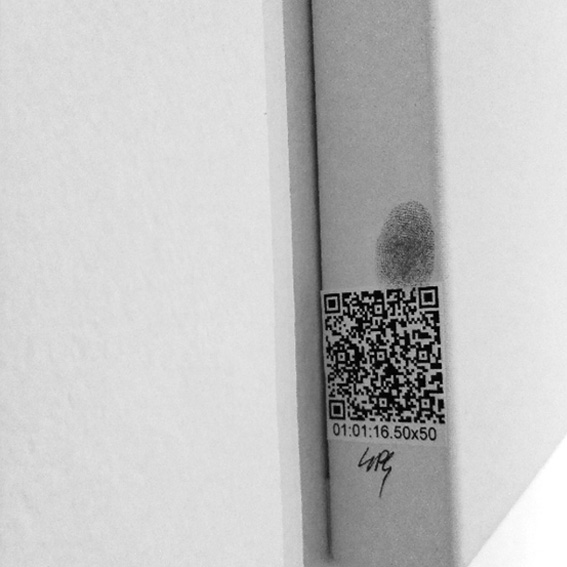


01:01:16.50x50
 

--------------------------------------------------------------------------------------

title <zero-three-four-seven-three-two> 007



03:47:32.30x30


--------------------------------------------------------------------------------------

title <zero-three-four-eight-five-one> 008
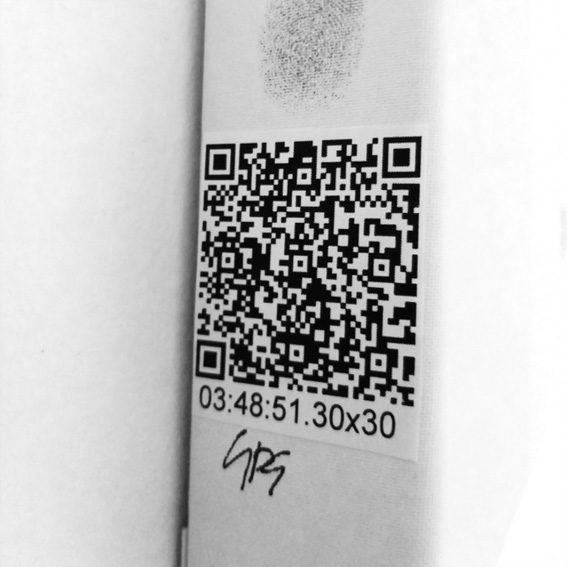


03:48:51.30x30

--------------------------------------------------------------------------------------

title <zero-zero-zero-three-three-five> 009



00:03:35.20x20

--------------------------------------------------------------------------------------

title <one-one-zero-zero-one-five> 010



11:00:15.80x80

FINZIONE SENZA FINGERE
GPG non è un artista, è un detonatore. Entra nella storia dell'arte come un corpo estraneo, sporco, luminoso e irriducibile, e la fa esplodere dall'interno. Non chiede permesso, non invoca redenzione, non cerca comprensione. Dipinge come si delinque, ama come si tradisce, parla come si bestemmia. Ed è proprio per questo che continua a essere necessario. GPG entra nella storia dell'arte per violarla. Non la attraversa, la espone. Non la frequenta, la compromette. Ogni tentativo di raccontarlo come "artista" fallisce, perché GPG è prima di tutto una posizione etica ed estetica estrema, un punto di rottura dentro questo secolo. La sua opera non nasce dal desiderio di dire qualcosa sul mondo, ma dalla necessità di stare contro il mondo, di collocarsi deliberatamente nel punto che la società indica come intollerabile. In questo senso, GPG non dipinge per essere guardato: dipinge per essere respinto. E proprio in questo gesto di rifiuto preventivo costruisce una delle opere più radicali, coerenti e pericolose.
(Julia Taverné)


FICTION WITHOUT PRETENDING
GPG is not an artist, he is a detonator. He enters the history of art like a foreign body, dirty, luminous, and irreducible, and makes it explode from within. He doesn't ask permission, he doesn't invoke redemption, he doesn't seek understanding. He paints as one commits crimes, he loves as one betrays, he speaks as one blasphemes. And that is precisely why he remains necessary. GPG enters the history of art to violate it. He doesn't traverse it, he exposes it. He doesn't frequent it, he compromises it. Every attempt to describe him as an "artist" fails, because GPG is first and foremost an extreme ethical and aesthetic position, a breaking point within this century. His work is not born from the desire to say something about the world, but from the need to stand against the world, to deliberately place himself at the point that society deems intolerable. In this sense, GPG doesn't paint to be looked at: he paints to be rejected. And it is precisely in this gesture of preemptive rejection that he constructs one of the most radical, coherent, and dangerous works.
(Julia Taverné)


UNA PERDITA DI TEMPO
Ho pensato che scrivere sia una perdita di tempo. Non intendo dire che sia un'attività priva di utilità o che non abbia una sua funzione, sia per il singolo che per la collettività. Ma nel senso che non può raggiungere mai quello che si prefigge. Perde il tempo, lo insegue, ma non lo agguanta mai, non riesce mai ad afferrarlo. Narrando, il tempo della vita viene o compresso oppure dilatato. Viene spezzettato o a volte viene fatto esplodere, per chi ci riesce, come se si potesse usare il linguaggio senza la coordinata X. Sarebbe straordinario riuscire a scrivere qualcosa, qualunque cosa, in cui il tempo che sta vivendo il lettore e quello che sta vivendo il protagonista o la voce narrante siano o stiano scorrendo alla stessa velocità. Ci sono esempi, tentativi quasi vicini alla vittoria. Quasi. Ma le parole sono più lente della luce e della materia. Questo scarto io lo avverto in alcuni momenti lacerante. Sicuramente riesce a privare di senso molte delle cose di cui mi circondo, quasi quasi mi viene pure un po' il vomito. Un pochino. La scrittura come macchina da presa, videocamera in spalla è un tentativo che adesso sto immaginando può funzionare solo se le parole si fanno ombre. Minimali. Filigrana. Nell'Ulisse di Joyce questo avviene. Non continuamente; si verifica a tratti, penso perché altrimenti sarebbe un'opera immonda, inumana, ma anche perché immagino che lo scrittore ne fosse consapevole e abbia anche voluto manifestare proprio la differenza. Grazie a GPG che riesce sempre a distrarmi da me stessa.
(Agata Spinelli)


A WASTE OF TIME
I've thought writing is a waste of time. I don't mean to say it's a useless activity or that it has no function, either for the individual or for the community. But I mean, it can never achieve what it sets out to do. It wastes time, chases it, but never catches it, never manages to grasp it. In storytelling, the time of life is either compressed or dilated. It's fragmented or sometimes exploded, for those who succeed, as if language could be used without the X coordinate. It would be extraordinary to be able to write something, anything, in which the time experienced by the reader and the time experienced by the protagonist or the narrator are, or are, passing at the same speed. There are examples, attempts that are almost successful. Almost. But words are slower than light and matter. I sometimes feel this gap as excruciating. It certainly manages to deprive many of the things I surround myself with of meaning; it almost makes me want to vomit. A little. Writing as a camera, a video camera on my shoulder, is an endeavor I'm now imagining can only work if the words become shadows. Minimal. Filigree. In Joyce's Ulysses, this happens. Not continuously; it happens intermittently, I think because otherwise it would be a filthy, inhuman work, but also because I imagine the writer was aware of it and wanted to express precisely this difference. Thanks to GPG, who always manages to distract me from myself.
(Agata Spinelli)

© 1958-2025 Gian Paolo Guerini (Tutti i diritti riservati/All rights reserved)

SELECTION OF EXHIBITIONS
> Das innere des Ohrs entzünden (personal exhibition), Exo-Galerie, Berlin
> Nowhere-Now here (performance), piazza Duomo, Milano
> Figura/Partitura, curated by Giovanni Fontana (with others), Lecce-Salerno-Roma-Bergamo
> Poesia Experimental Ara, curated by Bartolomé Ferrando (with J. Blaine, M. Butor, J. Hidalgo, A. Spatola and others), Sala Parpalló, Valencia
> Galleria Multimedia (personal exhibition), Brescia
> Studio Leonardi, curated by Chiara Guidi (personal exhibition), Genova
> Pianofortissimo, curated by Gino Di Maggio (with Arman, J. Cage, G. Cardini, D. Lombardi, N. J. Paik, D. Spoerri, B. Vautier, W. Vostell and others), Fondazione Mudima, Milano
> Improvvisazione libera, curated by Giuseppe Chiari (with M. Cattelan, T. Tozzi, L. Di Lallo and others), Museo Pecci, Prato
> Scuola d'obbligo/Compulsory Education, Fuori Uso, curated by Achille Bonito Oliva (with A. Boetti, W. Burroughs, J. L. Byars, E. Cucchi, M. Knizak, Y. Ono, N. J. Paik, V. Pisani, M. Schifano, W. Vostell and others), Pescara
> Milano Poesia, curated by Gianni Sassi (with S. Lacy, Zev, U. Block, D. Prigov, P. Vangelisti, L. Ballerini and others), Milano
> Uno per uno, for Biennale di Venezia, curated by Rosanna Chiessi and Roberto Melchiori (with C. Ciervo, F. Garbelli, A. Thomas, A. Zappalorto), Castelfranco Veneto
> Omaggio a Joe Jones (with W. Marchetti, D. Mosconi, W. Vostell), Fondazione Mudima, Milano
> Lo stato del dove/The Condition of Where (personal exhibition), Fondazione Mudima, Milano
> Progetto Oreste, curated by Mario Pieroni (with S. Falci, E. Fantin, E. Marisaldi, G. Norese, C. Pietroiusti, A. Radovan, N. Teodori, L. Vitone and others), Paliano, Frosinone
> The Second James Joyce Graduate Conference, Musical adaptations of Finnegans Wake, Università Roma3, Roma
> Titoli possibili Rischiare / Azzardare / Azzardi o qualcosa del genere..., curated by Gino Gianuizzi (with A. Andrighetto, E. Grazioli, H. Goni, N. Guglielmi, A. Radovan, R. Sinigaglia, A. Tola), Casabianca, Zola Predosa (BO)
> Alfabeta 1979-1988. Prove d'artista nella collezione della Galleria Civica di Modena (with G. Baruchello, A. Boetti, G. Dorfles, E. Isgrò, G. Paolini, L. Patella, A. Spoldi and others), Galleria Civica, Modena

> Medialismi 2.0’2.0, curated by Gabriele Perretta (with V. Agnetti, G. Chiari, H. Chopin, G. De Dominicis. F. Mauri, E. Villa and others), Corciano Festival, Perugia
> No, Neon, No Cry, curated by Gino Gianuizzi, (book of 800 pages, 100 x 70 cm, 100 kg, from 1975 to 2018), MAMbo, Bologna


gianpaologuerini.it